
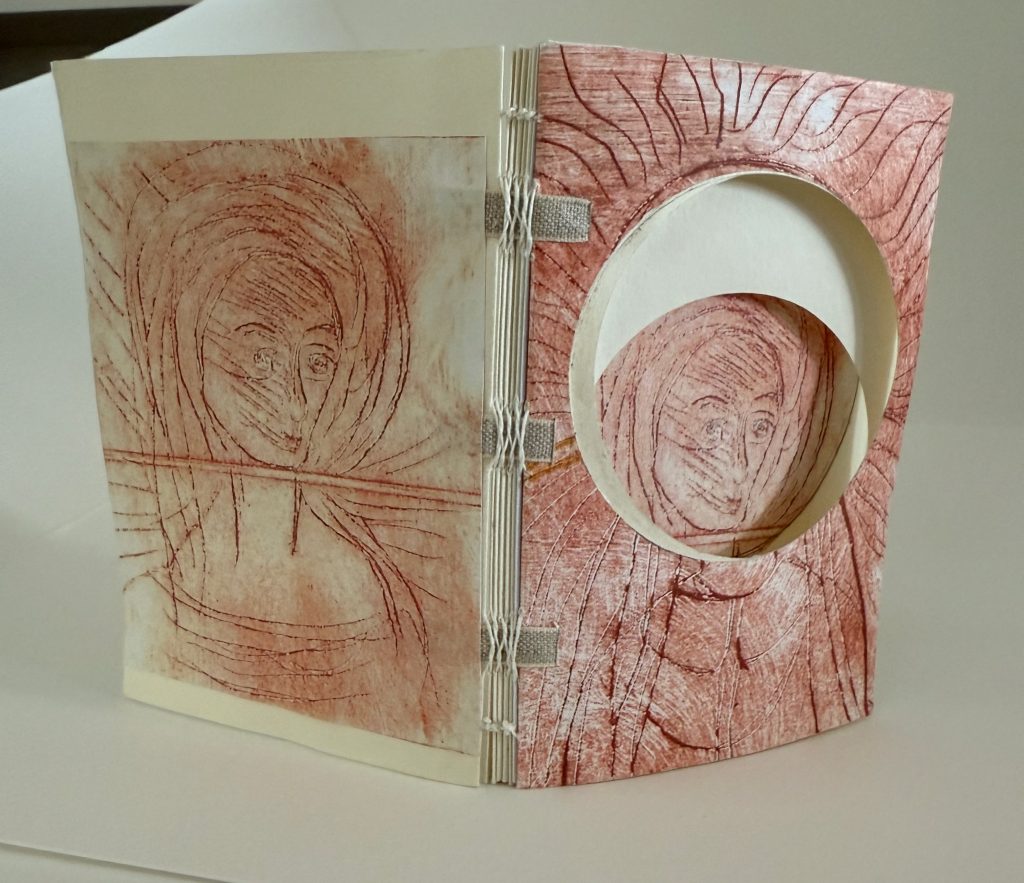
I guess I could start with a few words about lived experience. Shall I start with mine? Being a professional foreigner navigating through languages, a few countries and cultures has been one of my life’s most relevant privileges. Although it comes with some “linguistic fatigue”, being a so-called polyglot – don’t I sound clever? – has given me the opportunity to marvel, equally be horrified, and observe mankind with its quirks, diversity, as well as its shared universality. And what’s best to communicate than our capacity to tell stories. No matter where we come from, we all use our storytelling to belong, unite, divide, to share feelings, ideas or knowledge, and most of all to make sense of our existences.
Story telling has been part of mankind since its beginning. Its forms and shapes may have changed but its purpose hasn’t. Whether gathering around a fire telling stories to each other centuries ago or commenting and catching up on social platforms using today’s digital technology, we are still looking for information, meanings and connections in our lives.
However, storytelling in the digital age is a complex, multimedia experience difficult to navigate for a professional foreigner like me. How the online world impacts our minds and societies is even more intricated. What started as a technology for a global village has also become a very polarised digital place where the discourse easily becomes a weapon to divide, attack or cancel the unknown “other” that is rarely met face to face.
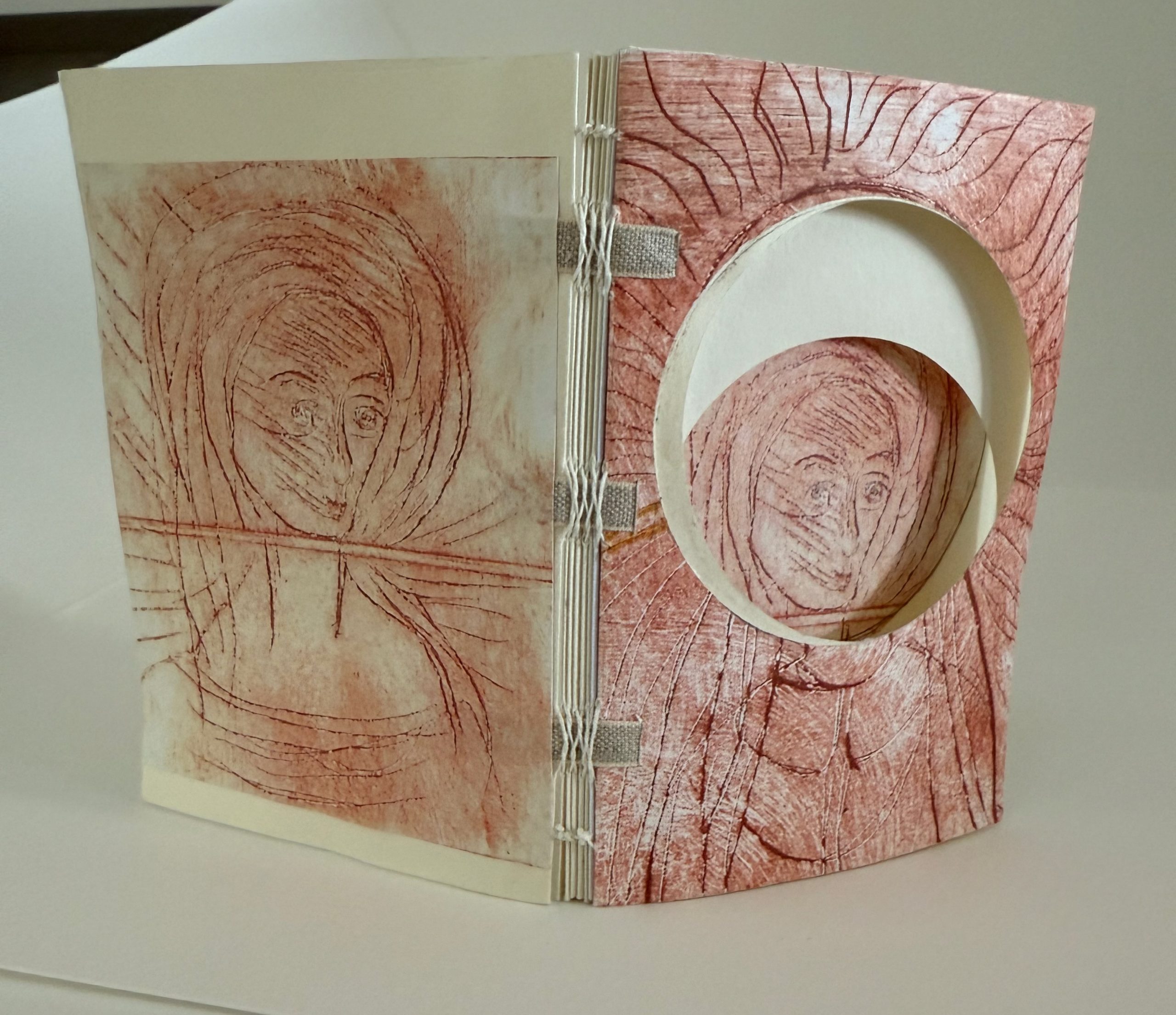
From a project called SECRET based on one of my sci-fi stories.
“Ripped inside out, that’s the aftermath of deadly hostilities, warfare, even the mechanics of ideologies and crusades, all this destruction for power or even joy, that’s if you like to play God.
For Carlotta, the thing with war was this awful taste directly coming from the stomach and leaving the mouth with a metallic taste of hot smoke, mud and guts.